

Blog
History of Revenge Clothing and Streetwear Culture
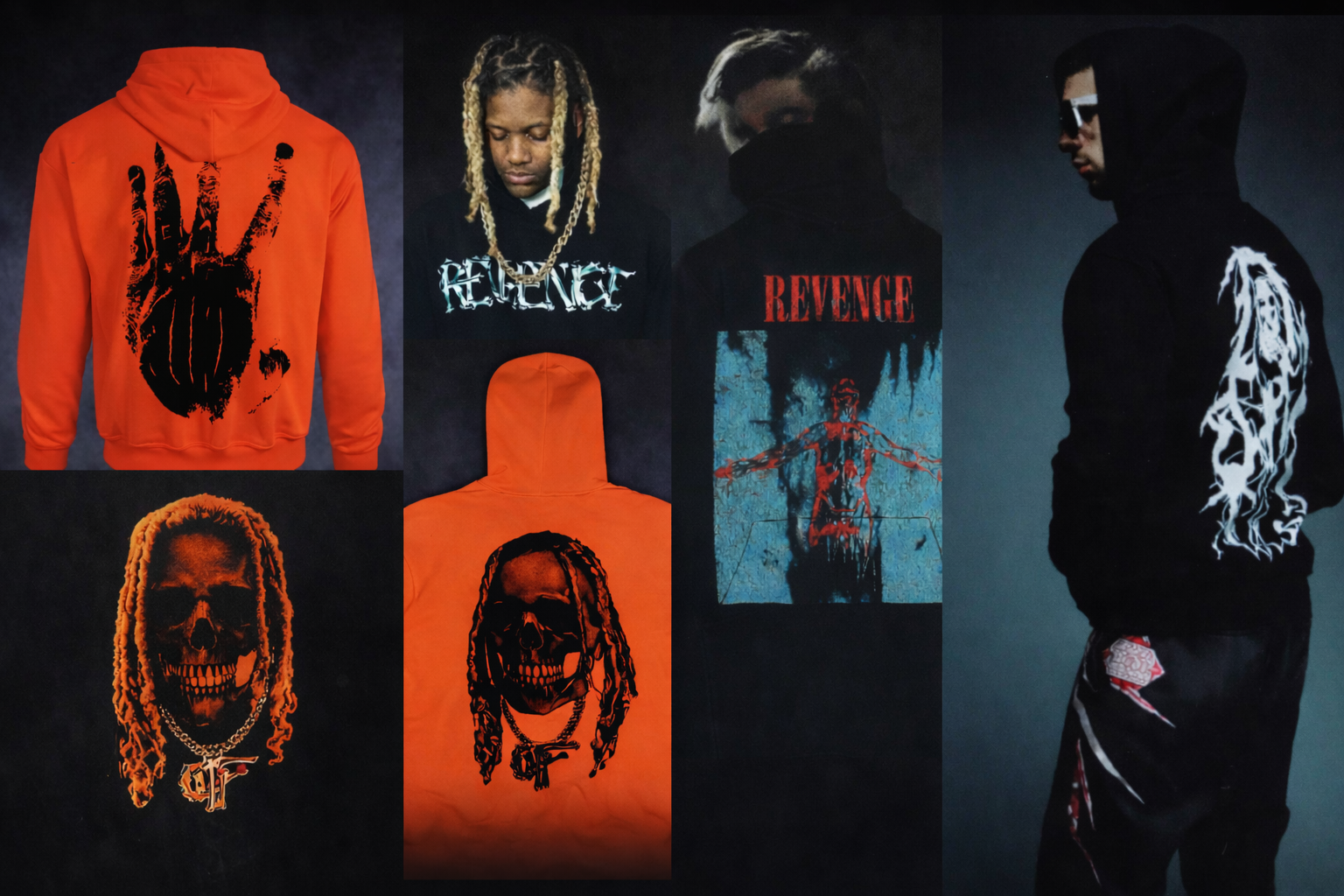
The Revenge Clothing and Streetwear Culture History is an interesting story of fashion, music, rebellion, and youth identity. Streetwear is more than just clothing because it represents a lifestyle built around creativity, confidence, and self-expression. Revenge Clothing became one of the most talked-about brands in this world because of its bold graphics, dark aesthetic, and limited releases. The brand quickly gained attention among young fashion lovers who wanted something unique. Understanding the history of Revenge Clothing also helps explain how streetwear culture became a powerful force in modern fashion.
History of Revenge Clothing and Streetwear Culture
Streetwear culture started as a fashion movement connected to skateboarding, hip-hop, graffiti art, and youth communities. Unlike traditional fashion, streetwear was not created in luxury fashion houses. Instead, it grew from the streets, music scenes, and local communities where young people wanted clothing that reflected their lifestyle. Oversized hoodies, graphic t-shirts, sneakers, and baggy pants became key parts of this culture. Streetwear gave people a way to express themselves without following formal fashion rules. Over time, it became one of the most influential trends in the world.
The Early Roots of Streetwear Fashion
The roots of streetwear can be traced back to the 1980s and early 1990s. During this time, skate culture in California and hip-hop culture in cities like New York helped shape the first streetwear looks. Young people started wearing loose-fitting clothes, sneakers, caps, and graphic shirts that matched their lifestyle. Brands began creating fashion that felt authentic and connected to real communities. This was very different from traditional luxury fashion. Streetwear was not about perfection. It was about attitude, comfort, and personal identity, which made it extremely appealing.
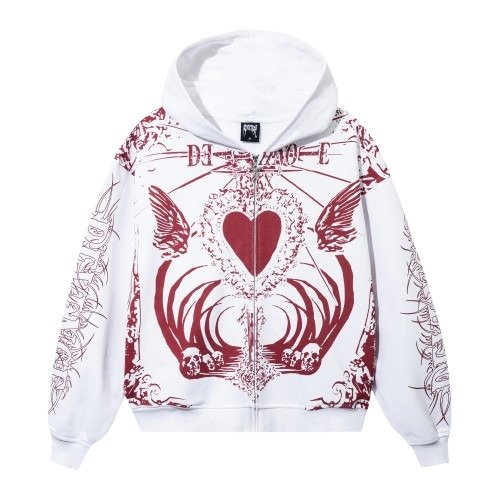
How Music Helped Build Streetwear
Music played a huge role in building streetwear culture. Hip-hop artists, rappers, and underground musicians influenced what young people wore every day. Fans often copied the outfits of their favorite artists, including hoodies, oversized shirts, denim, sneakers, and bold accessories. Music videos and concerts helped streetwear spread from local scenes to a wider audience. This connection between music and fashion created a strong cultural bond. Streetwear became more than a trend because it was tied directly to the identity and energy of youth culture around the world.
The Rise of Streetwear in the 2000s
In the 2000s, streetwear started becoming more organized and commercial while still keeping its rebellious identity. Revenge Clothing and Streetwear Culture History, More brands entered the market, and limited releases became a major strategy. Instead of selling large amounts of clothing, many streetwear labels released smaller collections that sold out quickly. This created excitement and exclusivity. People began waiting for drops, collecting rare pieces, and reselling items for higher prices. The streetwear world became more competitive, and clothing started carrying social value. This environment created the perfect space for bold brands like Revenge Clothing to grow later.
The Beginning of Revenge Clothing
Revenge Clothing entered the streetwear scene during a time when young people were looking for brands with strong identity and emotional energy. Revenge Clothing and Streetwear Culture, The label quickly stood out because of its dark themes, bold fonts, and rebellious attitude. Unlike mainstream fashion brands, Revenge focused on creating mystery, exclusivity, and limited availability. This instantly attracted streetwear fans who wanted clothing that felt rare and powerful. The brand did not rely on traditional marketing methods. Instead, it grew through social media, word of mouth, and cultural influence, which is very common in streetwear history.
The Unique Identity of Revenge Clothing
One reason Revenge Clothing became popular so quickly is because it had a very clear identity. Many of its designs featured bold lettering, gothic-inspired fonts, flame graphics, and strong contrasts. These elements gave the brand a darker and more emotional appearance compared to many other streetwear labels. The clothing felt intense, dramatic, and expressive. This visual style connected with young people who wanted to wear something that reflected individuality and attitude. In streetwear culture, identity matters a lot, and Revenge built one of the most recognizable looks in the market.
Revenge Clothing and Youth Rebellion
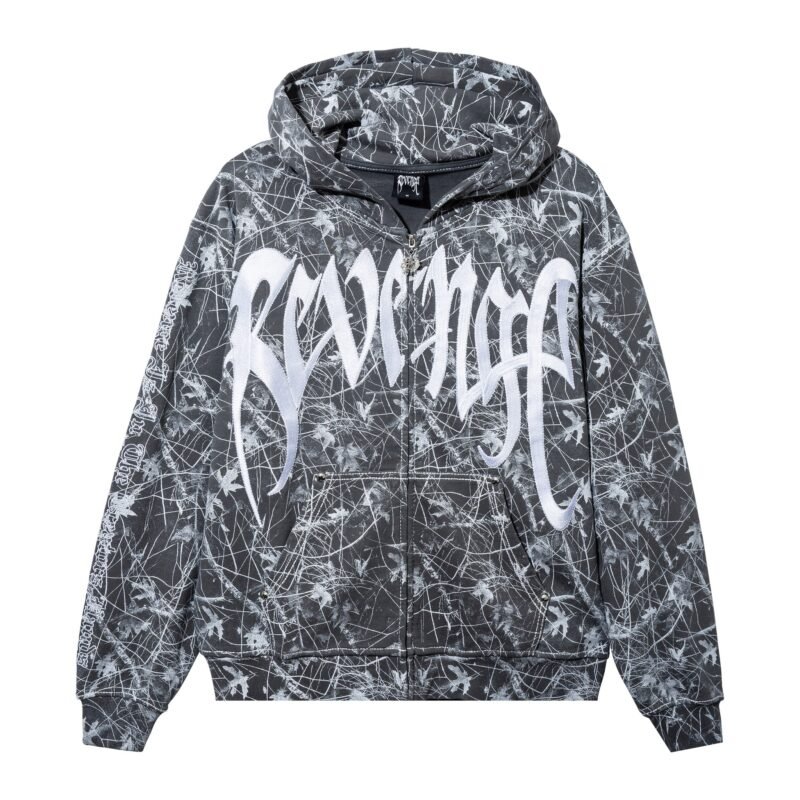
Streetwear has always had a rebellious side, and Revenge Clothing captured that feeling perfectly. Revenge Clothing and Streetwear Culture, The brand’s name itself suggests emotion, power, and resistance. Many young people were attracted to the idea of wearing clothing that felt bold and unapologetic. Revenge became a symbol of nonconformity in fashion. It appealed to people who did not want to dress like everyone else. This rebellious image helped the brand grow faster in streetwear communities. In many ways, Revenge Clothing became part of the larger tradition of youth fashion being used as a form of self-expression.
The Role of Social Media in Revenge’s Growth
Social media played a major role in the Success of Revenge Clothing. Unlike older fashion brands that depended on magazines or television, Revenge gained attention through online platforms. Fans shared photos, drop announcements, outfit styling, and limited pieces across social media. This created hype around every new release. The internet allowed the brand to reach global audiences without needing traditional advertising. Social media also helped build a sense of community among fans. In modern streetwear culture, hype often spreads online first, and Revenge used this environment very effectively.
Music Influence on Revenge Clothing
The connection between Revenge Clothing and music culture helped the brand rise even faster. Streetwear fans often discover brands through artists they admire. When musicians wear a certain hoodie or graphic t-shirt, fans quickly notice and want the same style. Revenge Clothing benefited from this pattern because its bold and dark visual identity matched the energy of underground music and hip-hop culture. This made the brand feel authentic rather than forced. Music gave Revenge more cultural value, and that value helped it become more than just a clothing label.
Limited Drops and Streetwear Hype
One of the most important parts of streetwear culture is the limited drop system, and Revenge Clothing became known for using it effectively. Instead of keeping products available all the time, the brand released clothing in smaller quantities at specific times. Revenge Clothing and Streetwear Culture, This created urgency among buyers because they knew the items could sell out quickly. Limited drops made Revenge feel exclusive and collectible. Streetwear fans often enjoy the challenge of securing rare pieces. This strategy also increased resale value, which made certain Revenge hoodies and shirts even more desirable in fashion communities.
Why Revenge Hoodies Became So Popular
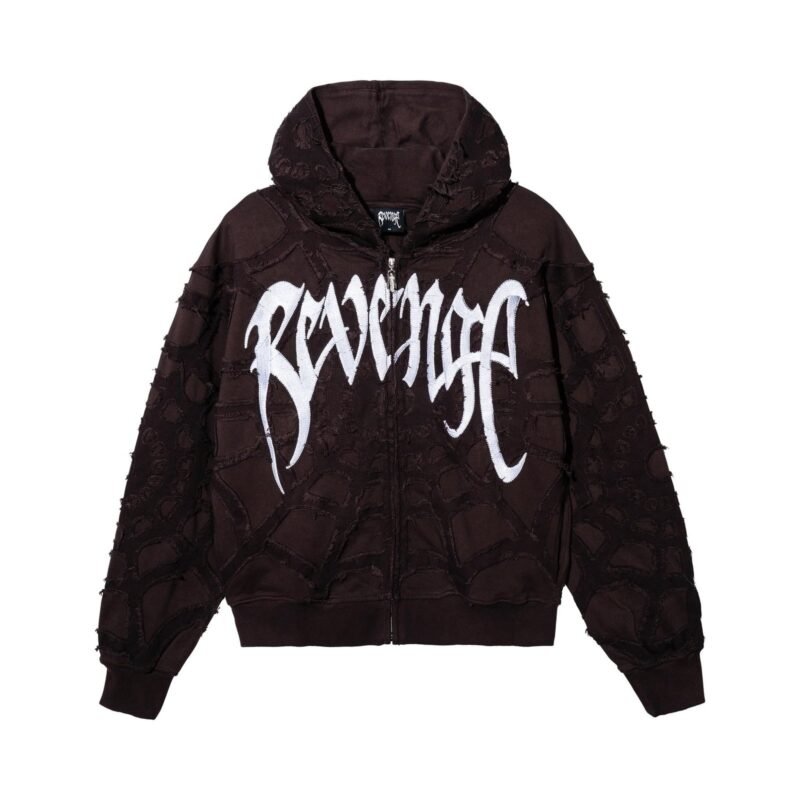
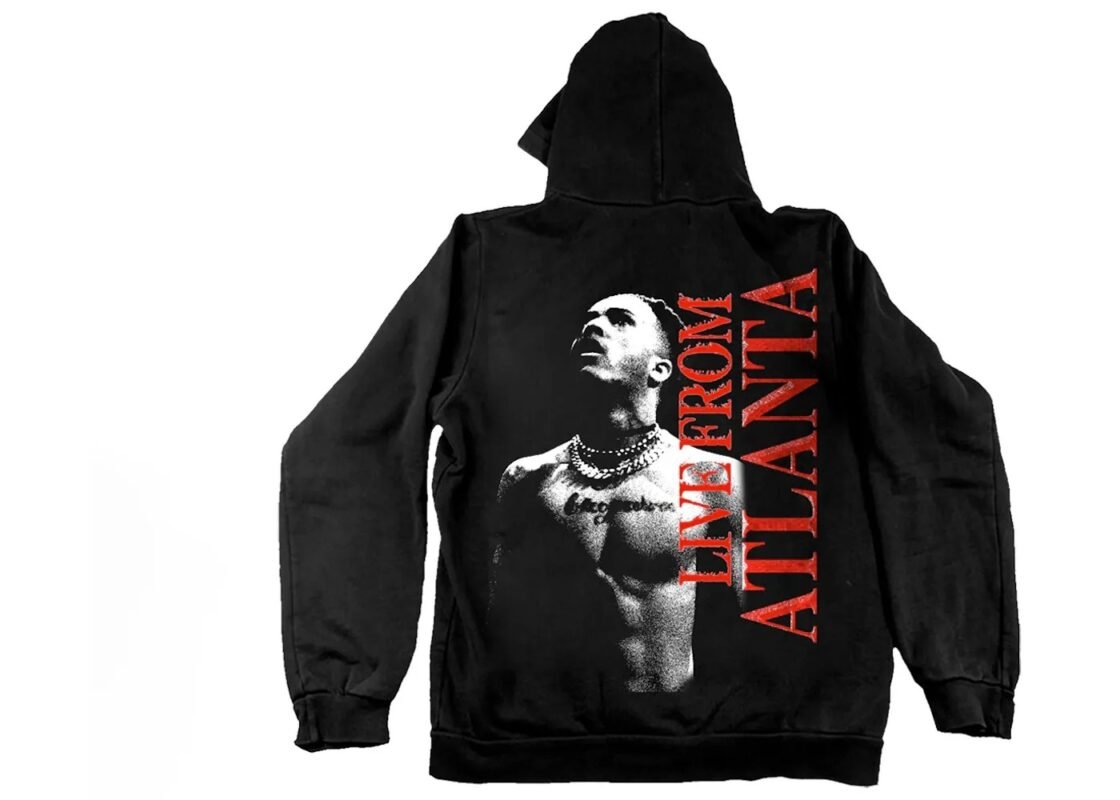
Revenge hoodies became the most famous products from the brand because they perfectly matched what streetwear fans wanted. A good streetwear hoodie should be comfortable, oversized, bold, and visually memorable. Revenge hoodies offered all of these qualities. Their graphic designs, dark tones, and statement branding made them easy to recognize. Many fans saw them as must-have pieces because they represented both fashion and status. In streetwear culture, a hoodie is often more than just a warm layer. It can become the centerpiece of an entire outfit and a symbol of personal taste.
Streetwear as a Lifestyle, Not Just Fashion
To understand the history of Revenge Clothing, it is important to understand that streetwear is a lifestyle, not just clothing. People do not only buy streetwear because it looks good. They buy it because it connects them to a community, a mindset, and a cultural identity. Streetwear often reflects music taste, artistic interests, and personal confidence. Revenge Clothing fits into this lifestyle because it offers more than fabric and graphics. It gives fans something they can identify with. This emotional connection is one reason streetwear brands often build loyal audiences.
How Revenge Clothing Fits Into Modern Streetwear
Revenge Clothing fits into modern streetwear because it follows many of the culture’s strongest traditions. It uses limited releases, bold visual identity, strong emotional branding, and close ties to music and youth communities. At the same time, it adds its own darker and more intense personality. While some streetwear brands focus on playful graphics or luxury-inspired minimalism, Revenge chose a more aggressive and dramatic direction. This helped it stand out in a crowded market. In modern streetwear, uniqueness matters, and Revenge built its reputation by staying visually and emotionally distinct.
Revenge Clothing and the Resale Market
Another important part of streetwear culture is the resale market, and Revenge Clothing has benefited from this system. When a limited hoodie or t-shirt sells out, many buyers look for it through resale platforms. Rare items can become more valuable over time, especially if they are linked to important drops or popular designs. This resale culture turns clothing into collectible fashion. For many fans, owning a rare Revenge piece feels exciting because it shows knowledge of the culture. The resale market has helped increase the brand’s visibility and reputation in the streetwear world.
Why Revenge Clothing Still Matters Today
Revenge Clothing still matters because it represents a specific chapter in modern streetwear history. It is a brand that captured the energy of youth fashion, music influence, and online hype during an important era of streetwear growth. Even as trends change, Revenge remains relevant because it builds a strong emotional and visual identity. Many fans still admire the brand for its bold style and exclusivity. In fashion, brands come and go, but the ones that create a strong cultural connection usually last longer. Revenge continues to hold that kind of value.
Lessons From the History of Revenge Clothing
The history of Revenge Clothing teaches several important lessons about fashion and culture. First, a strong brand identity can be more powerful than traditional advertising. Second, limited releases can create desire and loyalty when used correctly. Third, music and online communities can help a brand grow faster than old marketing systems. Finally, fashion becomes more meaningful when it connects with emotion and lifestyle. Revenge Clothing did not become popular by being ordinary. It became popular by being bold, different, and deeply connected to the spirit of streetwear culture.
Conclusion
The history of Revenge Clothing and streetwear culture is a story of creativity, rebellion, and identity. Streetwear began in skateboarding, hip-hop, and youth communities before growing into a global fashion movement. Revenge Clothing entered this world with a dark and powerful style that quickly attracted attention. Through bold graphics, limited drops, music influence, and strong branding, the label became an important name in modern streetwear. More than just a fashion brand, Revenge represents the emotional and cultural power that makes streetwear so influential. Its story is an important part of understanding how streetwear continues to shape fashion today.
See Our YouTube Channel Watch More Products:
Related Posts
Top Revenge Pants for Street Fashion
-
Posted by
usamajb

Best Revenge Sweatshirts for Streetwear Style
-
Posted by

Top Revenge Hoodies You Should Buy This Year
-
Posted by

Revenge XXXTentacion Hoodie Complete Review
-
Posted by

Why Revenge Hoodies Are Trending Worldwide
-
Posted by

Who Created Revenge Clothing? Full Story
-
Posted by

Best Revenge Hoodies for Men in 2026
-
Posted by
Fashion Hoodies for Young Men
-
Posted by
What is Revenge Clothing Brand? Complete Guide
-
Posted by

Streetwear Revenge Clothing Store USA
-
Posted by
Women Urban Streetwear Hoodies
-
Posted by

Best Hoodies for Men Winter Season
-
Posted by